FOMO Cards
Market a party that can't afford marketing.
For a party, we wanted to draw a crowd without a marketing budget. The bigger operators in the scene had the money for Instagram ads, posters, and paid placements. Competing head-on wasn't going to work. We had to find a way to guerrilla it in.
The fridge is the last uncontested ad surface.
I started thinking about surfaces. Not screens, physical surfaces. There's one surface in a home where people curate what matters: the fridge. Postcards from trips, photos of friends, ticket stubs, magnets from places they've been. The fridge is personal real estate. Nothing earns a spot there unless it means something.
Which turned into a design problem. How do you make someone feel an intimate connection with a photo they weren't part of?
The fridge is the last uncontested advertising surface. Nothing earns a spot there unless it means something.
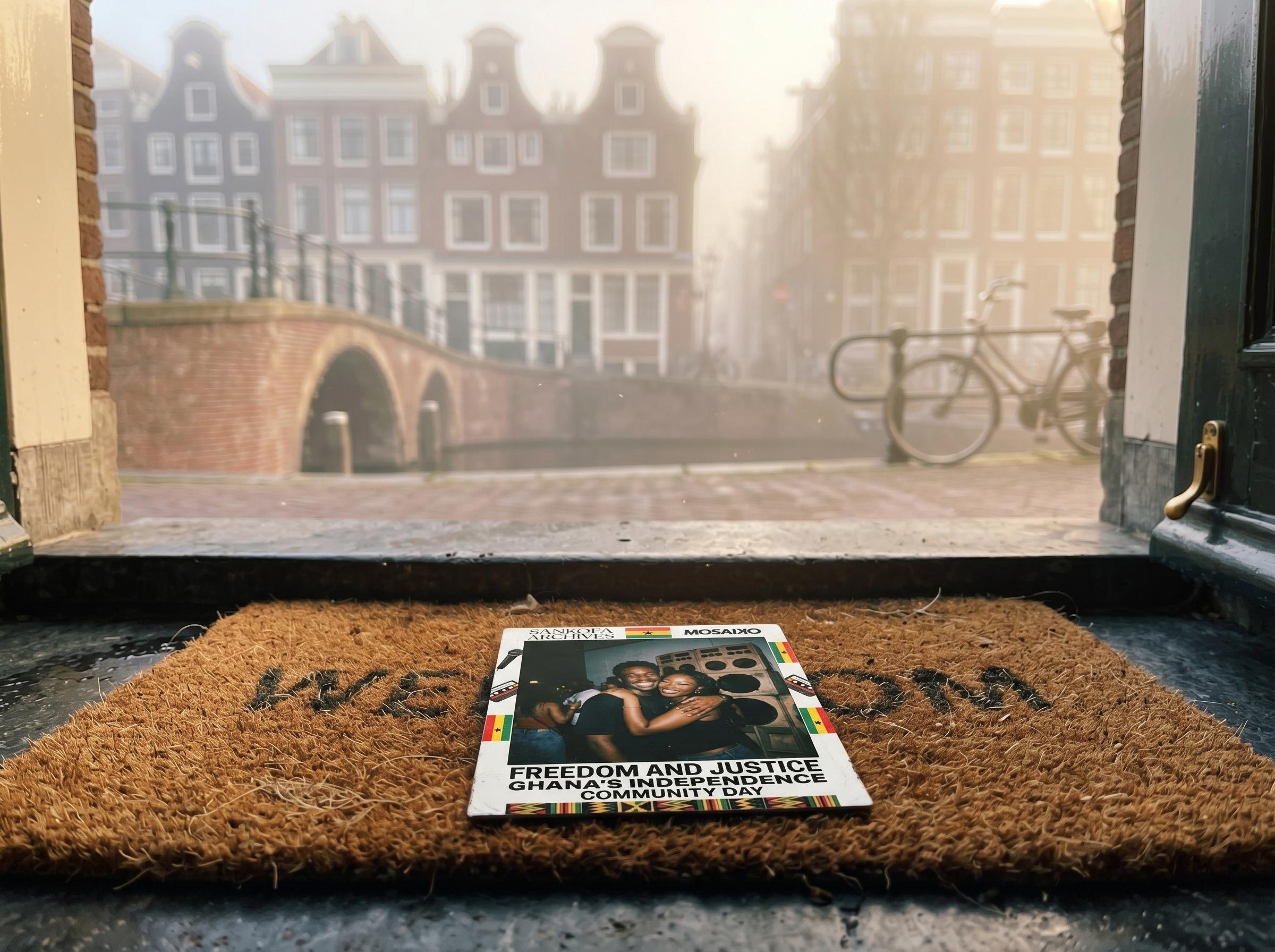
A photo on the doormat before they wake up.
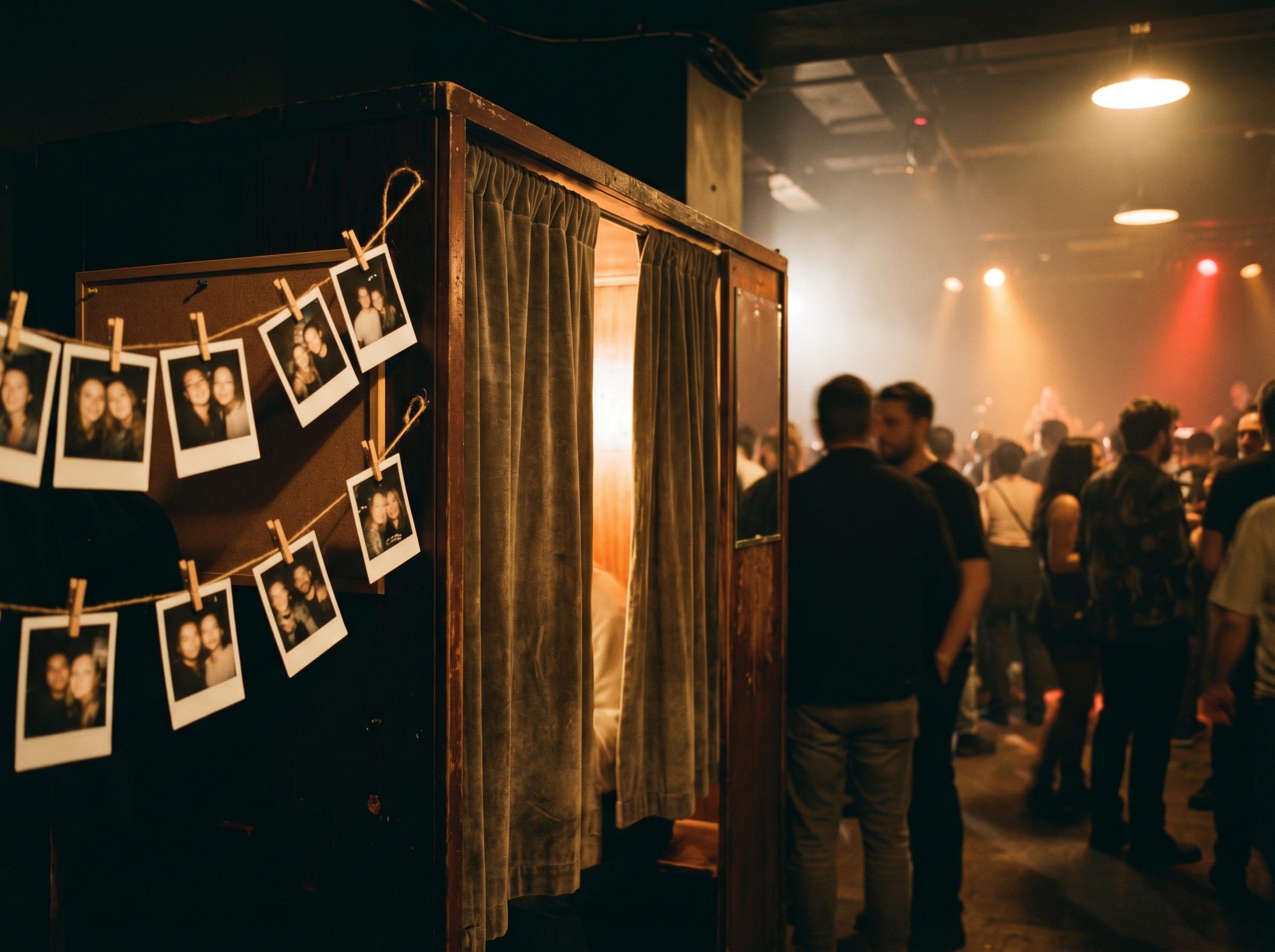
A photo booth at the party. You step in, take a photo, and pick a friend who didn't come tonight. Write them a message on the back. The card is printed on the spot, carrying the party's identity, and hand-delivered that same night.
Your friend wakes up to a physical photo on their doormat. You, having fun, at a party they skipped. With a handwritten note on the back.
Bring the card to the next one and entry is discounted.
Hand-carried before morning.
The cards are collected throughout the night and delivered before morning. No app, no notification, no follow request. A physical object arrives at the door of someone who chose not to come out. The photo isn't theirs, it's of their friend, at a place they weren't.
That's what makes the card hard to throw away. A warm message about a night you weren't part of.
The partygoer does the marketing.
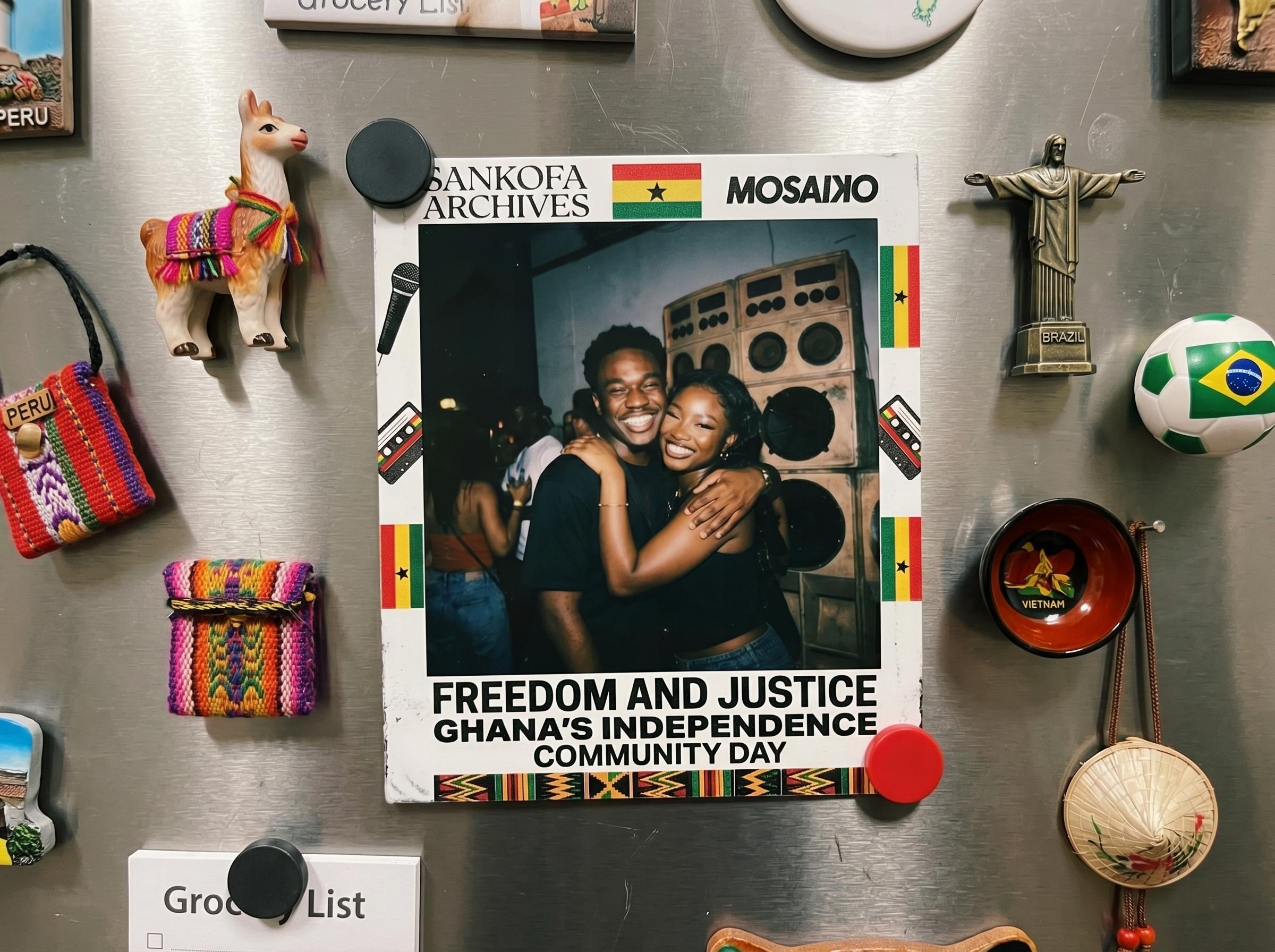
The card is personal enough, a real photo of their friend, a handwritten message, that it earns a spot on the fridge. And that fridge belongs to exactly the person you want at the next party: someone who didn't come this time.
Now the party lives in their kitchen. It's not a flyer, it's a photo of their friend. It stays. Every time they open the fridge, the party is there.
Offline marketing that reaches the people who didn't show up, through the people who did. The partygoer does the marketing for you, without realising it. They just wanted to send their friend a photo.
The numbers to watch.
Of the ~250 people at a typical night, aim for 80-120 cards printed by close. Under 60 means the booth is too hidden or too slow. Over 150 means capture is winning over quality.
90%+ of printed cards should reach a doormat before 10am. Below that, the delivery logistics are the bottleneck.
Baseline at the next party is around 200. Target +30 to +50 (a 15-25% lift). Tracking is built into the door: cards are collected in exchange for the discount. If 25-40% of recipients redeem, the loop works.
Supplies and operator time work out to roughly €2 per printed card. Add €5 off a ~€15 door for each redeemed card. At 30% redemption, that's about €12 per new attendee. A paid promo campaign in the same scene runs €10-30 per head, and doesn't end up on anyone's fridge.